
You May Also Like to Read



Protecting Your Heart: Small Choices, Big Impact

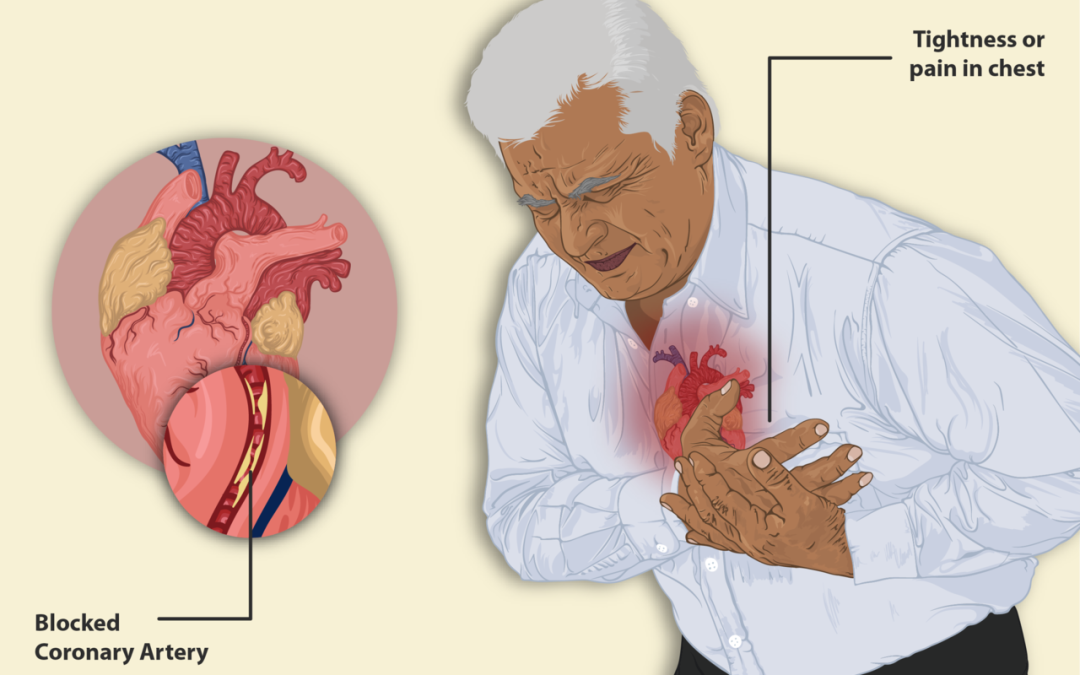
Heart disease remains the leading cause of death in the United States, affecting people of all ages, backgrounds, and lifestyles. While this statistic is concerning, the good news is that many forms of heart disease are preventable. Everyday choices—made consistently over time—play a powerful role in protecting your heart and improving your overall health.
Self-Care Is Heart Care
Taking care of your heart starts with taking care of yourself. Self-care is not just about relaxation—it includes the daily habits that support your body and reduce strain on your heart.
Key heart-healthy self-care practices include:
- Staying physically active: Regular movement strengthens the heart, improves circulation, and helps control weight, blood pressure, and cholesterol.
- Eating a balanced, nutritious diet: Emphasizing fruits, vegetables, whole grains, lean proteins, and healthy fats can lower your risk of heart disease.
- Getting enough sleep: Poor sleep is linked to high blood pressure, obesity, and diabetes, all of which increase heart disease risk.
- Avoiding tobacco: Smoking and other tobacco use significantly damage blood vessels and increase the risk of heart attack and stroke.
- Managing stress in healthy ways: Chronic stress can raise blood pressure and contribute to unhealthy coping behaviors. Techniques such as exercise, mindfulness, and social connection can help.
When you prioritize heart-healthy habits, you’re not only improving your own well-being—you’re also setting a positive example for family, friends, and your community.
Get to Know Your Heart Numbers
Understanding your personal health metrics is a critical part of heart disease prevention. Knowing your “heart numbers” helps you make informed decisions and recognize when lifestyle changes or medical guidance may be needed.
Important indicators to be aware of include:
- Blood pressure: High blood pressure often has no symptoms but significantly increases the risk of heart attack and stroke.
- Cholesterol levels: Elevated LDL (“bad”) cholesterol can lead to plaque buildup in arteries, while HDL (“good”) cholesterol helps protect the heart.
- Blood sugar levels: High blood sugar can damage blood vessels and is closely linked to heart disease, especially in people with diabetes.
- Body weight and waist circumference: Excess weight, particularly around the abdomen, increases strain on the heart.
Health literacy—having a basic understanding of these measures and what they mean—has been strongly linked to better health outcomes. When you understand your numbers, you’re better equipped to take action, ask informed questions, and advocate for your health and the health of those around you.
Helpful, Non-Technical Medical Resources
The following organizations provide reliable, easy-to-understand information on heart health:
- Centers for Disease Control and Prevention (CDC) – Heart Disease
https://www.cdc.gov/heart-disease
Clear explanations of risk factors, prevention strategies, and statistics. - American Heart Association – Healthy Living
https://www.heart.org/en/healthy-living
Practical guidance on diet, exercise, stress management, and heart health basics. - National Heart, Lung, and Blood Institute (NHLBI)
https://www.nhlbi.nih.gov/health-topics/heart-health
Educational resources on blood pressure, cholesterol, and heart disease prevention. - Consumer-friendly summaries of medical topics, reviewed by health professionals.
Recent Comments